
Updated : 23 February 2026
MASTER / DOCTOR OF PHILOSOPHY IN POLYMER ENGINEERING
Master of Philoshopy and PhD programmes in Polymer Engineering by research are offer by the Department of Bioprocess & Polymer Engineering, Faculty of Chemical & Energy Engineering, UTM. These programmes provide candidates with the opportunity to further their studies and to achieve academic maturity via novel research work in the area of polymer engineering. The global challenges faced by the industry have increased the demand for new and innovative materials, how to select, combine, process and recycle them. Therefore there has been a growing demand for polymer engineer to work in polymer industries covers plastics, rubber and composite to support plastics operations in Malaysia.
Read more…
Benefits:
Students studying for a postgraduate research degree in Polymer Engineering work on projects of real-world significance, which feed into improvements in life for everyone. Close collaboration with industry in some projects also provides essential skill for a career in the polymeric materials design and products.
Areas of research
- Plastic/Rubber Blend
- Polymer Composites and Nanocomposites
- Natural Fibre Reinforced Polymers Composites
- Nano Filler Polymers Composites
- Thermoplastic Elastomer
- Bio-degradable and Degradable Polymers
- Liquid Rubber and Rubber Technology
- Polyurethane and Polyacrylic Coatings
- Polyurethane Foam
- Shape memory Polymers
- PVC Technology
- Biodegradable packaging
- Recycling of Plastics Waste
- Functional/smart polymer (hydrogel)
- Advance Membrane Functionalization
- Crystallization and thermal degradation studies/kinetics of polymeric materials
- Rheology Of Polymer Melts, polymer blends and composites
- Processing of Polymer, instabilities and processing aids
- Microwave Processing of Polymers
- Polymer Additive And Adhesive
- Programme Specifications
- Programme Educational Objectives (PEO)
- Programme Learning Outcomes (PLO)
- Program Structure
- Career opportunities
- Entry requirement
The Doctor of Philosophy Polymer Engineering (PKKR) is offered on a full-time basis. The duration of study is in between minimum of three (3) years to a maximum of eight (8) years.
The assessment of the research program is based on the progress report, supervisor’s evaluation, research proposal and viva.
General Information
|
1. Awarding Institution |
Universiti Teknologi Malaysia |
|
2. Teaching Institution |
Universiti Teknologi Malaysia |
|
3. Programme Name |
Doctor of Philosophy |
|
4. Final Award |
Doctor of Philosophy Polymer Engineering |
|
5. Programme Code |
PKKK |
|
6. Professional or Statutory Body of Accreditation |
MQA |
|
7. Language(s) of Instruction |
English |
|
8. Mode of Study |
Research |
|
9. Study Scheme (Full Time/Part Time) |
Full Time |
|
10. Study Duration |
Minimum : 3 years Maximum : 8 years |
Course Classification
|
No. |
Classification |
Credit Hours |
Percentage |
|
i. |
University Elective (1 course) |
3 |
|
|
ii. |
Research Methodology |
HW |
|
|
iii. |
Research (Minimum 6 semesters) |
0 |
|
|
iv |
Thesis |
0 |
|
|
Total |
3 |
PEO 1 : Mastery of knowledge and competency in advanced areas of Polymer Engineering field.
PEO 2 : Practice professionalism and high standards of ethical conducts within organization and society.
PEO 3 : Responsive to changing situations by continuously acquiring new knowledge and skills.
PLO 1 : Synthesize complex information, specialized concepts, theories, methods and practice independently in the field of Polymer Engineering.
PLO 2 : Solve complex problems critically and integratively using systematic approaches.
PLO 3 : Apply practical skills to solve problems in the field of Polymer Engineering.
PLO 4 : Demonstrate effective collaboration with stakeholders professionally.
PLO 5 : Communicate effectively the knowledge, skills and ideas using appropriate methods to peers, experts and communities.
PLO 6 : Use digital technologies and appropriate software competently to enhance study and practice.
PLO 7 : Evaluate numerical and graphical data critically using quantitative or qualitative tools in solving problems.
PLO 8 : Demonstrate leadership, autonomy and responsibility in managing resources.
PLO 9 : Engage self-advancement through continuous learning or professional development.
PLO 10 : Initiate entrepreneurial projects supported by relevant knowledge and skills.
PLO 11 : Demonstrate respectable ethical conducts and professionalism skills in an organization and society.
| Master of Philosophy | Doctor of Philosophy | |
| 8 max semesters | 3 min semesters | 16 max semesters | 6 min semesters | |
| LIST OF COURSES | LIST OF COURSES | |
| University elective | University elective | |
| Research methodology | Research methodology | |
| MKKR Research | PKKR Research |
Master’s Degree by Research
i. A bachelor’s degree in the field or related fields with a minimum CGPA of 2.75 or equivalent, as accepted by the HEP Senate; or
ii. A bachelor’s degree in the field or related fields or equivalent with a minimum CGPA of 2.50 and not meeting CGPA of 2.75, can be accepted subject to rigorous internal assessment; or
iii. A bachelor’s degree in the field or related fields or equivalent with minimum CGPA of 2.00 and not meeting CGPA of 2.50, can be accepted subject to a minimum of 5 years working experience in the relevant field and rigorous internal assessment.
iv. Candidates without a qualification in the related fields or relevant working experience must undergo appropriate prerequisite courses determined by the HEP and meet the minimum CGPA based on (i) to (iii).
*Doctoral Degree by Research
i. A master’s degree in the field or related fields accepted by the HEP Senate; or
ii. Other qualifications equivalent to a master’s degree recognised by the Government of Malaysia
iii. Candidates without a related qualification in the field/s or working experience in the relevant fields must undergo appropriate prerequisite courses determined by the HEP.
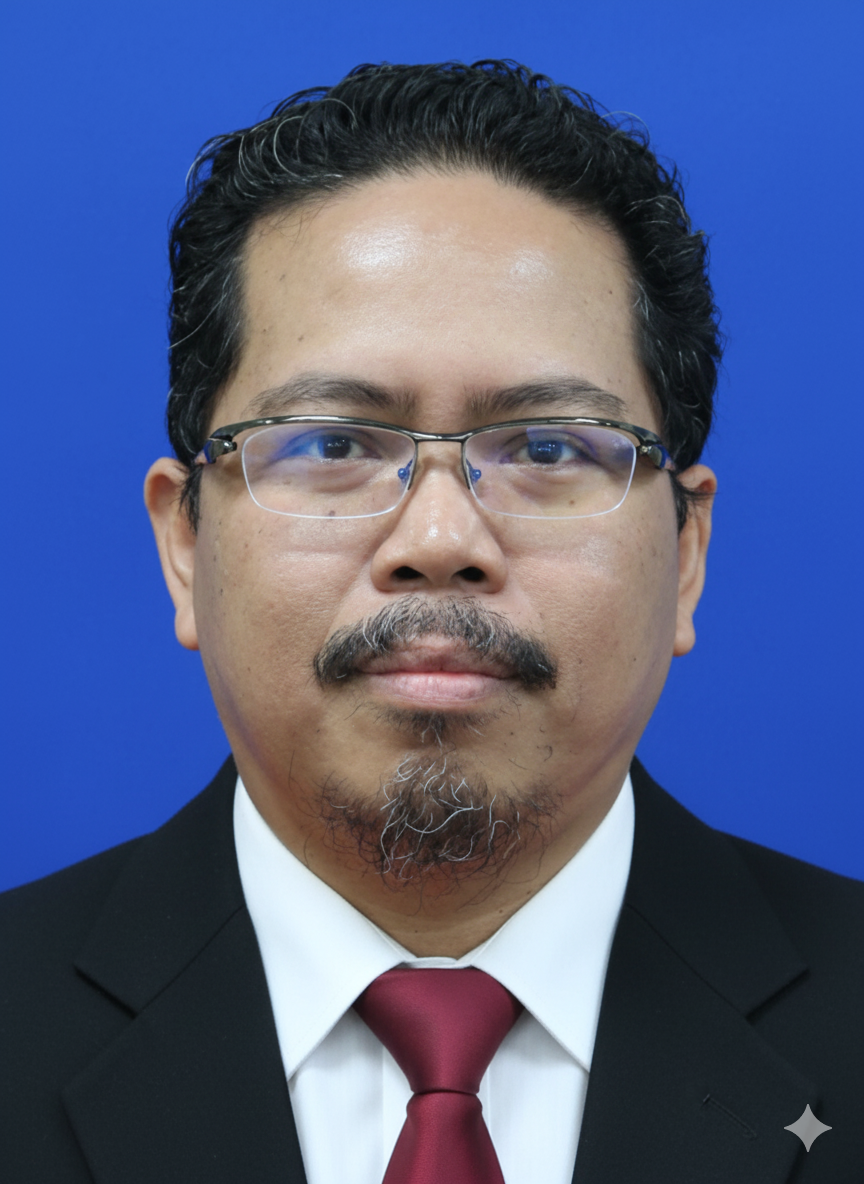 Associate Prof. Dr Agus Arsad
Programme Coordinator
Office: +6019-5590545
Email: agus@utm.my